Silaturahmi
Of rivers and plants, of soil, waste, people and food
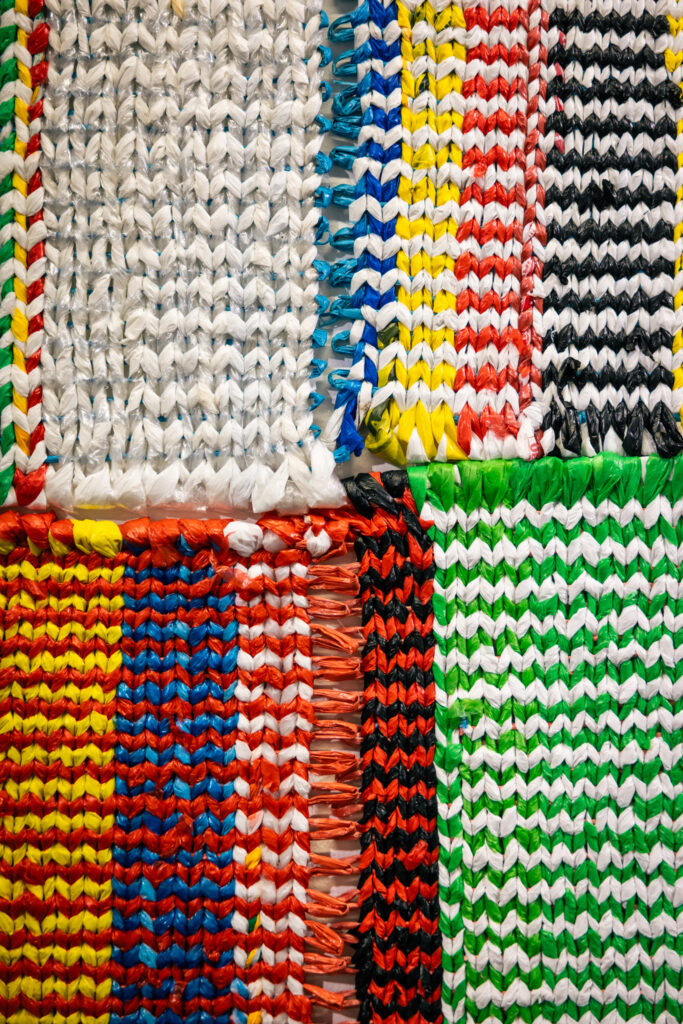
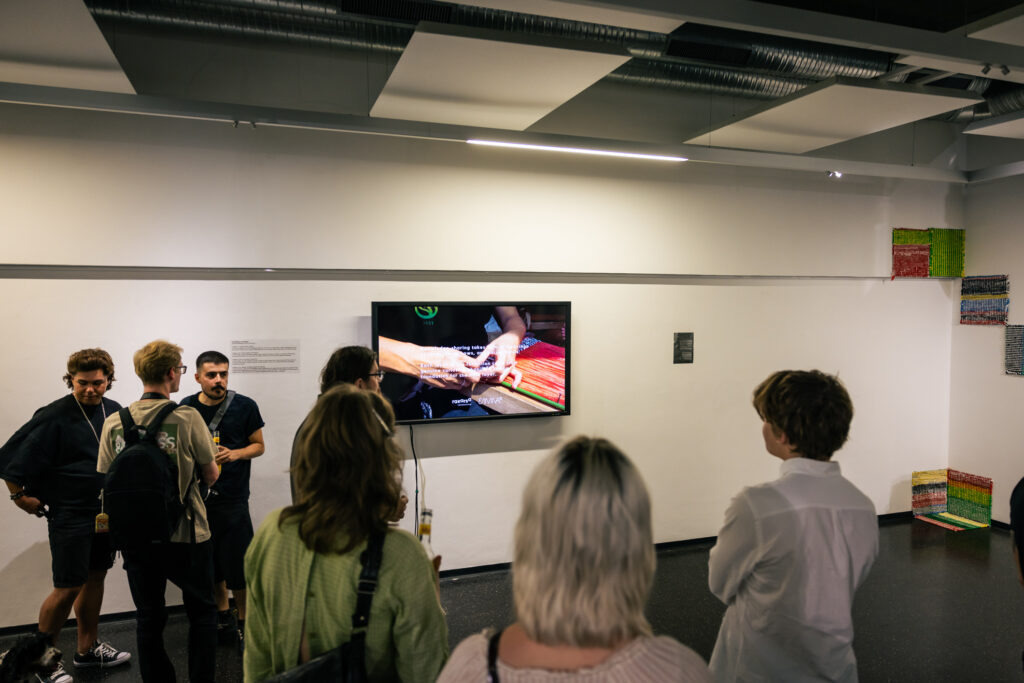
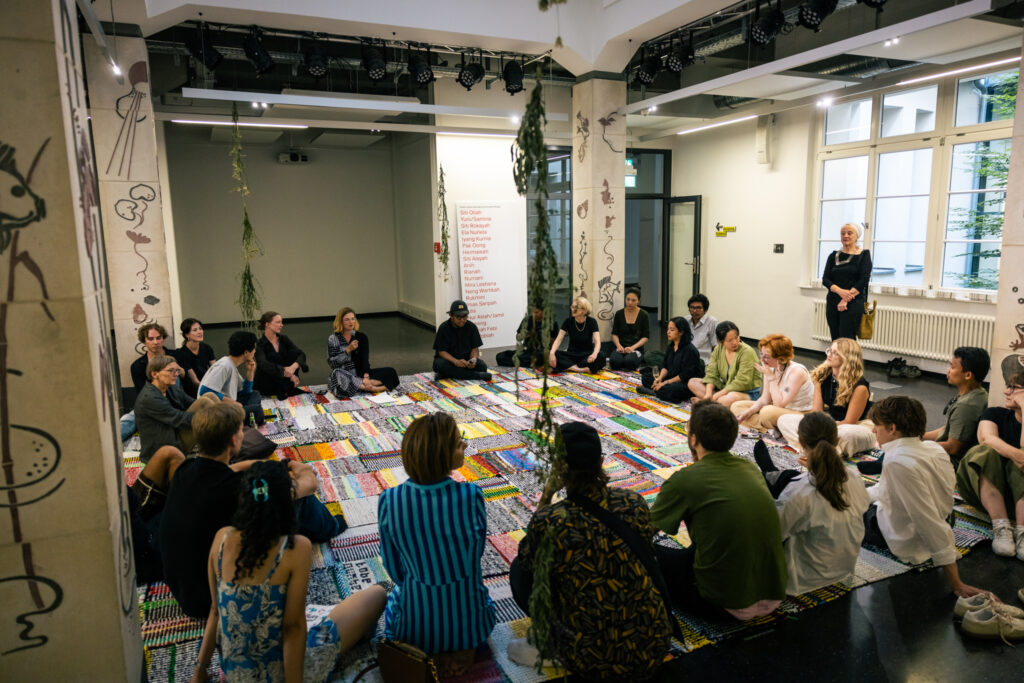
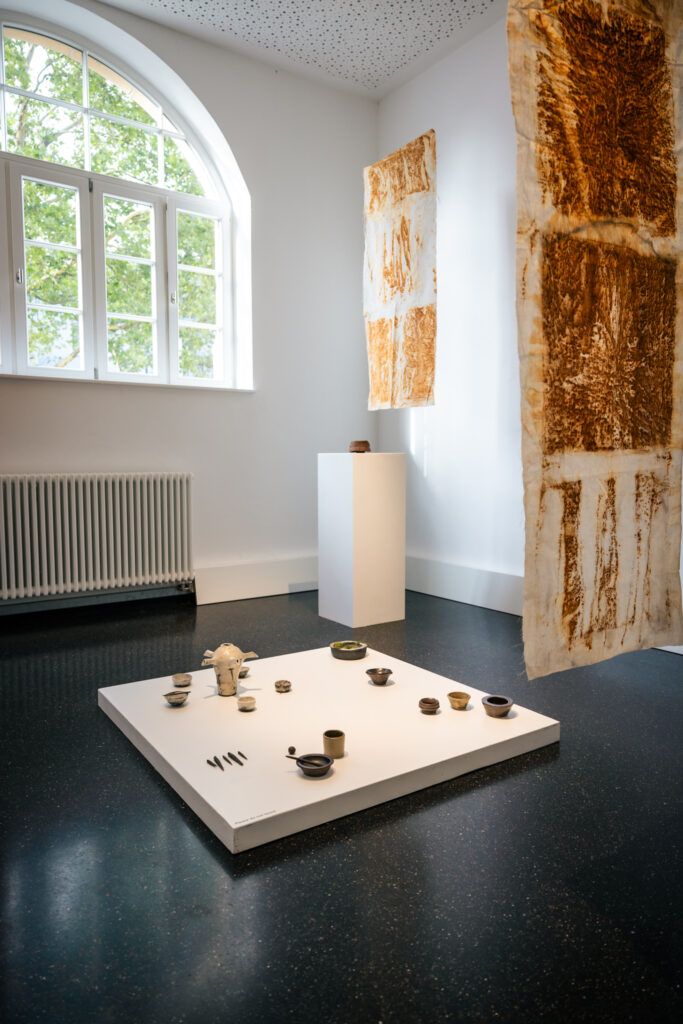
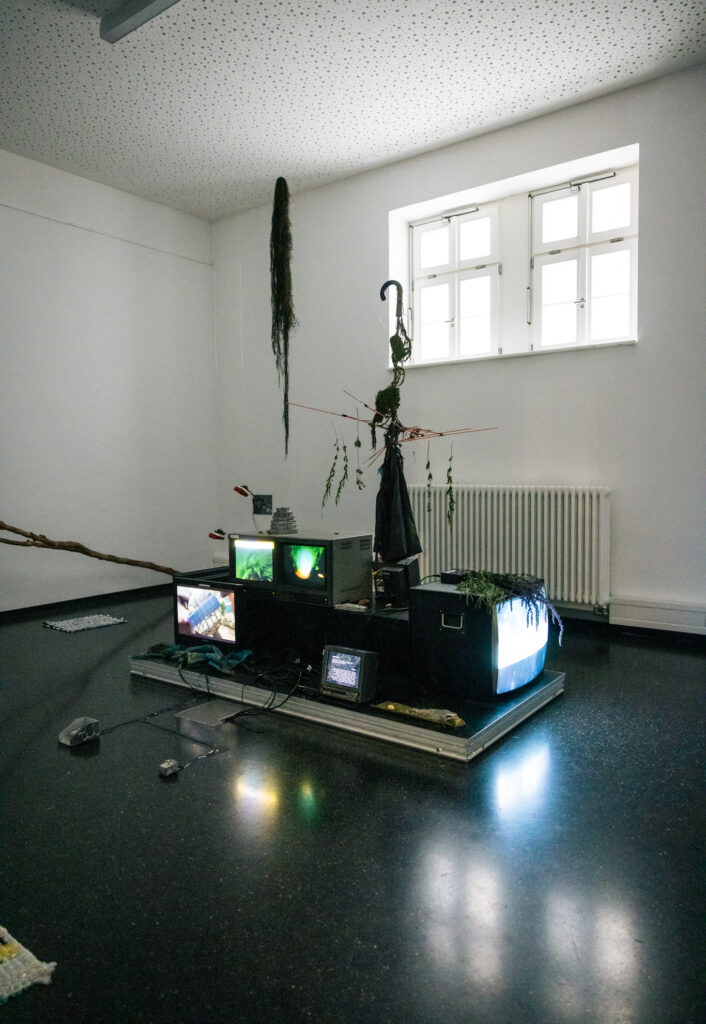
Our encounters began in 2021 thanks to an (online) scholarship from the Institute for Foreign Cultural Relations, and have since been consolidated through various projects, such as the public installation "Sedekah Benih" on Waisenhausplatz by Vincent Rumahloine and Mang Dian in cooperation with Pforzheim University, "The Sun's neighbour" by Endira F. Julianda and Nuri Fatimah at the Neighbourhood Festival 2022, or the residency of the "4E" at Rakarsa in Bandung in summer 2023. The exhibition "Silaturahmi" presents the traces of this collaboration between Bandung and Pforzheim.
Based on the rich experience of three years of exchange between Bandung (Indonesia) and Pforzheim (Germany), we ask ourselves together: What state do we find ourselves in when we encounter something unknown, old or new? Sometimes we forget ourselves until someone comes to us with new visions. These new perspectives often surprise us, as they reveal strengths or weaknesses that we have not seen before. In times when we are facing challenges in both places, for example in relation to climate change, displacement or the loss of biodiversity, we are exploring "Silaturahmi" as a principle to build and grow relationships.
The rhythms of everyday life during our encounters are the moments that echo in our memories. We learnt about perspectives that are different from ours through sharing time and space with our friends, strangers and objects that became familiar to us over time. We experienced how a friend of a friend can become family and how solidarity and friendship are created through experiencing shared moments. Silaturahmi, in the sense of this exchange, is a weaving of timelines with many open ends.
How can we preserve this state, this common ground, and maintain its horizontal movement?
How can we maintain the process of learning and unlearning while recognising each other's histories and contexts?
And finally, how can we create a space to spend time together without wasting time and which is open to further encounters?
The concept of "Silaturahmi" comes from the Melayu culture, which includes Indonesia. It describes the essence of preserving and nurturing social and family relationships. A simple gathering cannot be called silautahmi, as the intention behind the gathering is of central importance.
During our exchange, this idea served as a foundation, which is less about concrete achievements and reaching specific goals, and more about mutual respect and building sustainable relationships. In our context, Silaturahmi also includes the intention to build relationships with other living beings - human and non-human - an awareness that is necessary for overcoming our future challenges.
4E is a collective from Pforzheim (Franziska Lyon, Justus Lietzke, Johanna Heilig, Kosmas Dinh) that works at the interface of site-specific activation and design methods. The projects range from large-scale installations and public formats to acoustic works and seek contact with the environment through specific materials. The collective's work has been significantly influenced by friends and partners, such as LAF Leerstand als Freiraum e.V., EMMA - Kreativzentrum Pforzheim, Sense and A.K.T; as well as the translocal collaboration with the Indonesian Rakarsa Foundation.
Rakarsa Foundation is a non-profit organisation in the field of art and culture that was founded in Bandung, Indonesia, in 2018. The aim of Rakarsa is to strengthen the role of artistic practices in disseminating knowledge to the general public. Rakarsa hosts and promotes knowledge exchange networks that focus on informal art education and cultural exchange in the form of exhibitions, public events or educational initiatives. The members of Rakarsa are Vincent Rumahloine, Endira F. Julianda, Nuri Fatimah, Yori F. Papilaya, Clarissa Tifanny, Gustar Brata and Arsya Ardiansyah.
The EMMA - Creative Centre Pforzheim is the central platform for Pforzheim's creative professionals. Located in a former Art Nouveau baths on the River Enz, the creative centre offers 3,000 square metres of workshop and coworking workspaces, studios, offices and exhibition space. The city itself is also characterised by a lively creative scene with a focus on design. Numerous university graduates, start-ups, freelancers and companies from the creative industries work in Pforzheim and revitalise the location.
Shelvira Alyya is an artist from Bandung who works in film and performance media, focusing on women's issues and environmental issues that affect women's practices. She recently graduated in Film and Television Studies and is interested in experimental filmmaking and documentaries that address social issues. Currently, Shelvira is developing her film practice into broader practices such as expanded cinema, which offers various forms of still and moving images as a presentation of her work.
Nanda Maulana is a Bandung-based director and moving image artist who graduated in film and television. He explores experimental fiction films, experimental documentaries and pseudo-documentary elements in narrative metafiction to bridge the gap between reality and unreality. By focusing on themes such as body dysphoria and dissonant reflection on identity and body image, he creates a space for dialogue on the individual's experience of dissonance, with each work serving as a reflection on how we understand and respond to different identities in an ever-changing society.
Masagi Tjibogo is a community that was founded independently by several community members in 2020 to tackle environmental problems and in particular the problems of waste management in their locality. Masagi Tjibogo is currently located in the RW 04 region in Sukawarna village in Sukajadi district. Her focus is on implementing activities that effectively address the environmental problems while promoting a gradual and sustainable change in people's attitude towards the environment. The activities carried out consist of weekly cleaning and collection of organic waste and plastic waste from the residents, which is done three times a week by a women's group called "The Power of Mothers and Mothers". Masagi Tjibogo works with various organisations, including educational institutions, designers, artists and local authorities.