"Political playground"
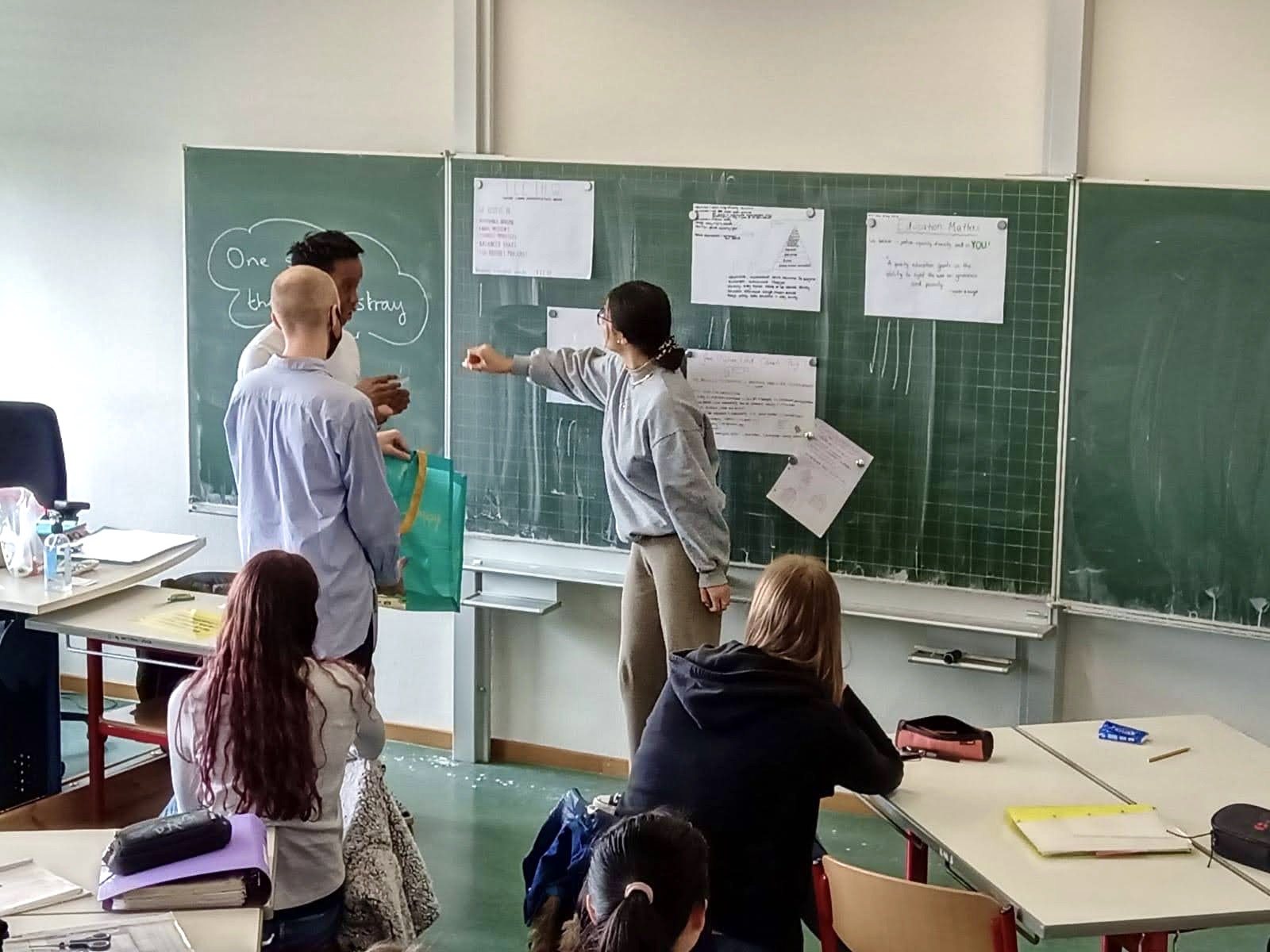
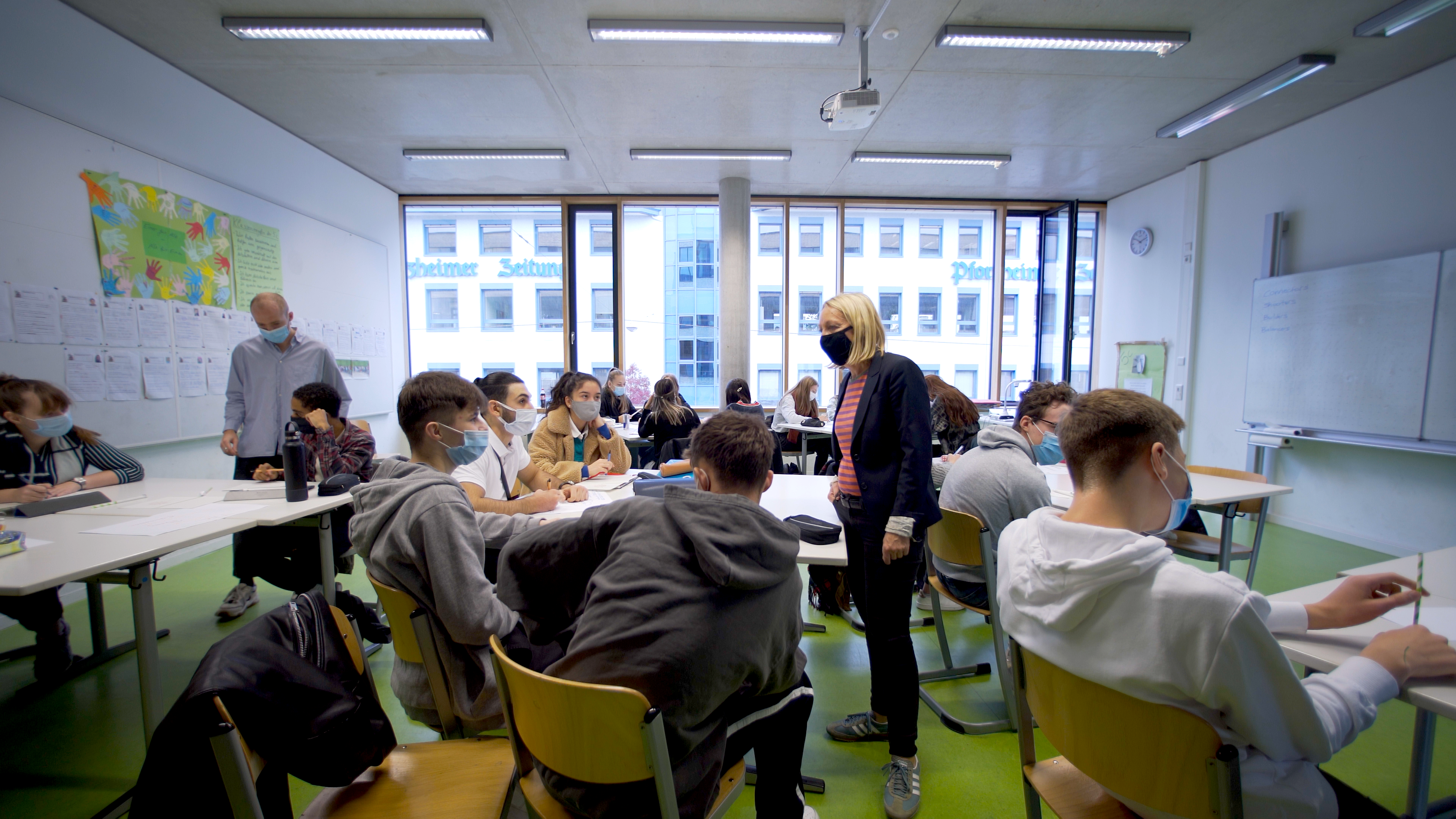
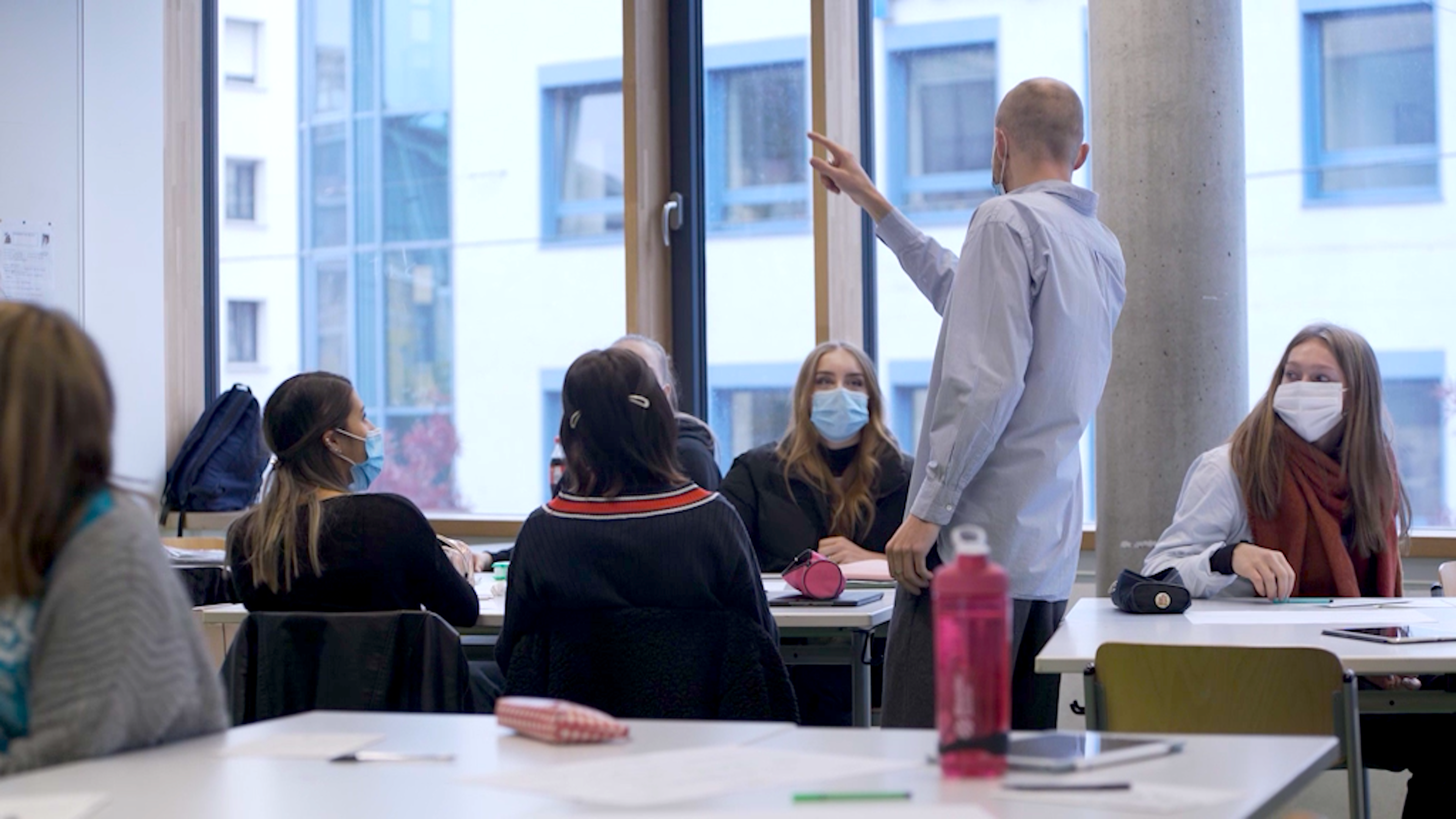
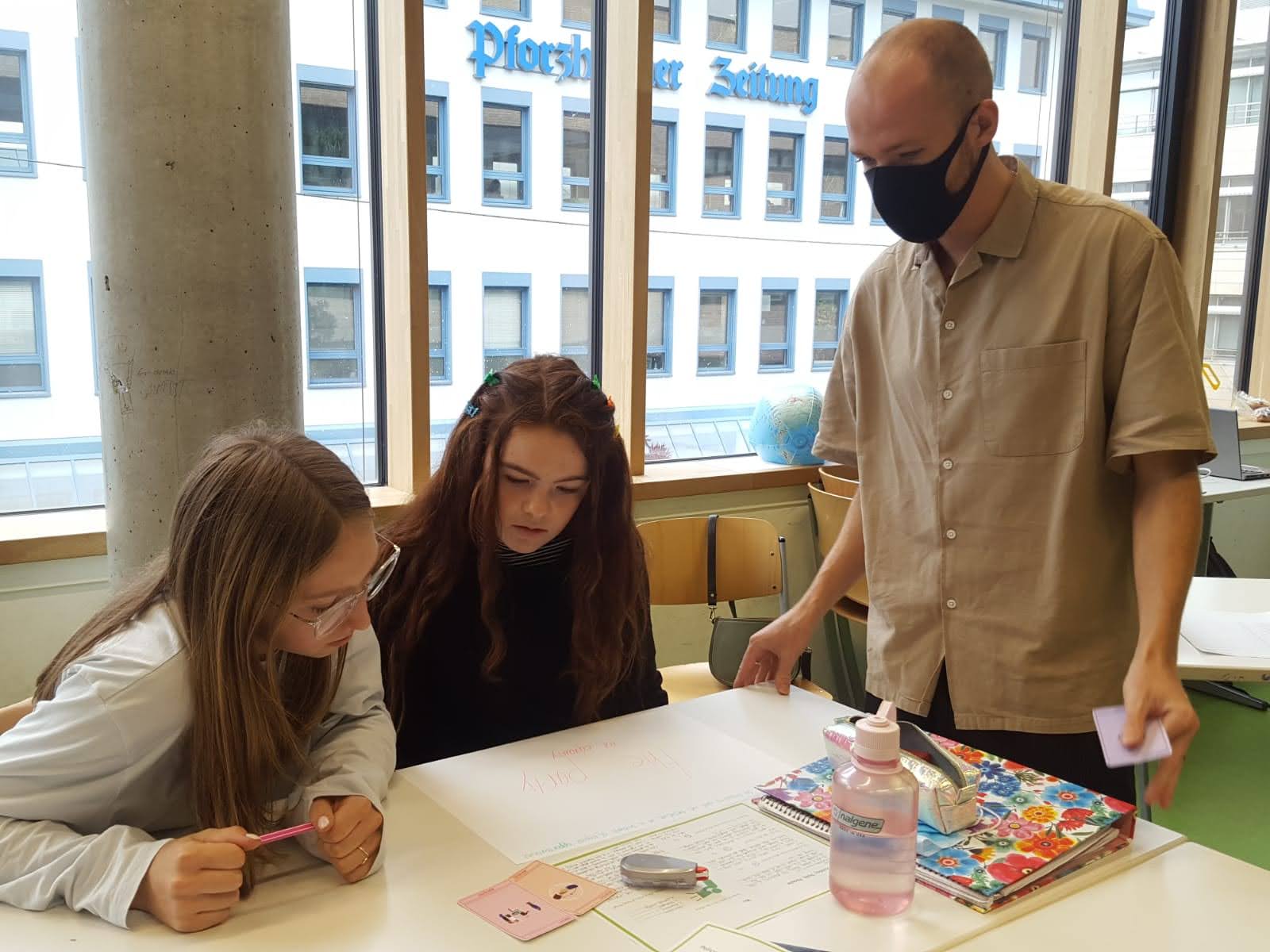
Jaspar Rogers defines politics as the process of processing information in order to develop a strategy, make decisions and solve problems. But in an age of simplification, misinformation, algorithmic validation and divisive language, how can we learn and communicate how to deal with the flood of information? To find out, Jaspar Rogers organised workshops at two secondary schools in Pforzheim and at the Haus der Jugend. From the results of these workshops, he identified four thought structures that children and young people can use to understand political processes. In order to make these thought structures physically tangible, he developed the "political playground", a series of objects whose movements symbolise the thought structures
1. the connector
Once an interesting topic has been selected, the connector reviews its approach by presenting its links with other topics. This demonstrates systems thinking and can help broaden one's perspective on positive and negative outcomes. Each green block represents one of fourteen policy areas. In order to use the game device, the participant must physically connect their initial category to as many other blocks as possible. In doing so, the user should consider how changes in another block might affect their starting point and vice versa. Once the player has finished, they should select a connecting line to focus on and take this to the next game. For example, the user may be interested in climate change but may not have considered the impact of housing on the climate.
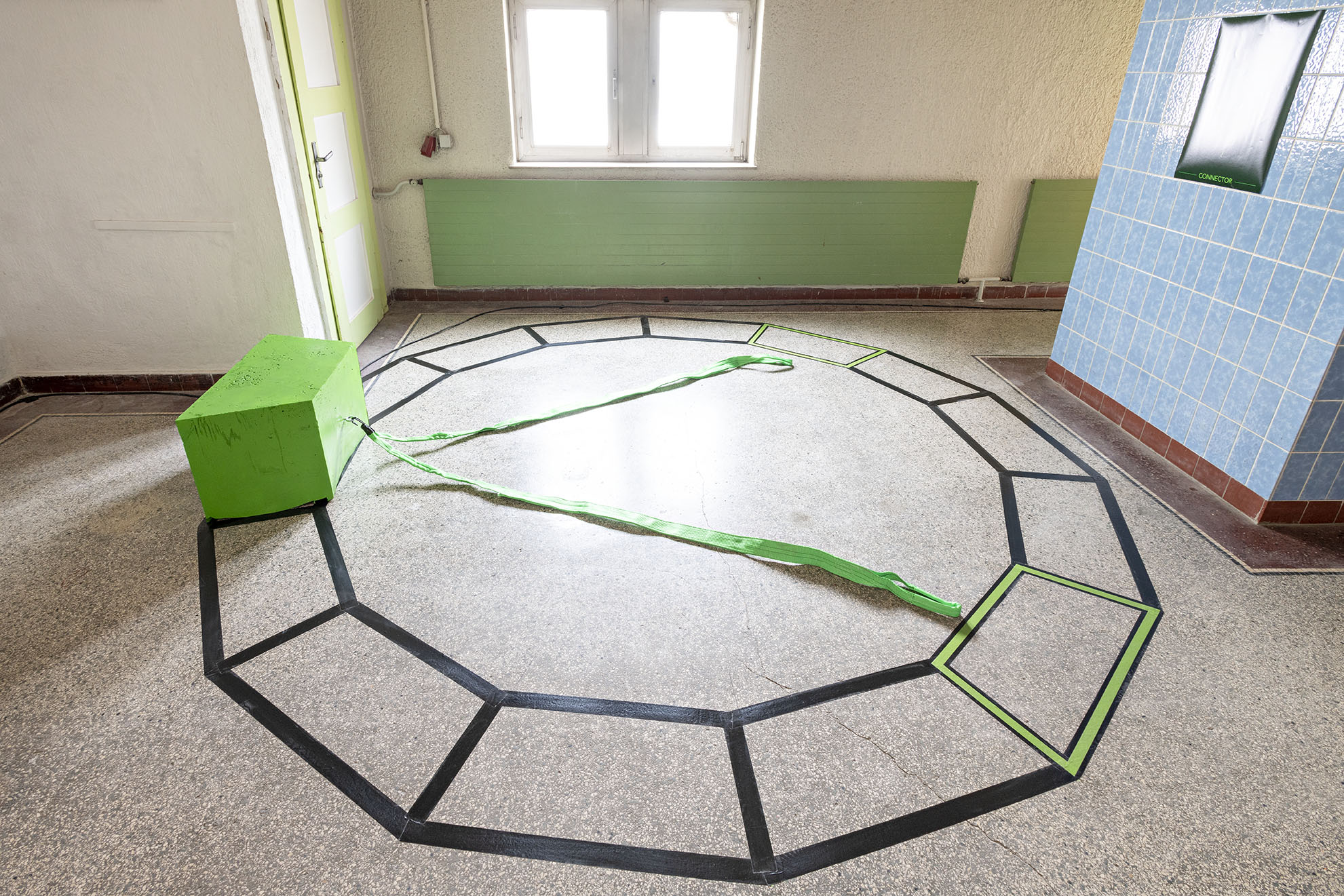
Photo and copyright: Winfried Reinhardt
2. the shooter (The Shooter)
The shooter focuses on problem solving and continuously generates ideas for a strategy or policy aimed at a specific outcome. By rationalising and critiquing each hypothetical scenario, the shooter's idea is refined with each iteration. The shooter is given ammunition for each new idea that comes to mind. To come up with a successful idea, he must try to land his shot in the target on the other side of the mat. By going through this process before being allowed to continue, the player is forced to think more deeply about the multi-layered nature of the problem that has been chosen. The successful solution is then transferred to the next exercise.
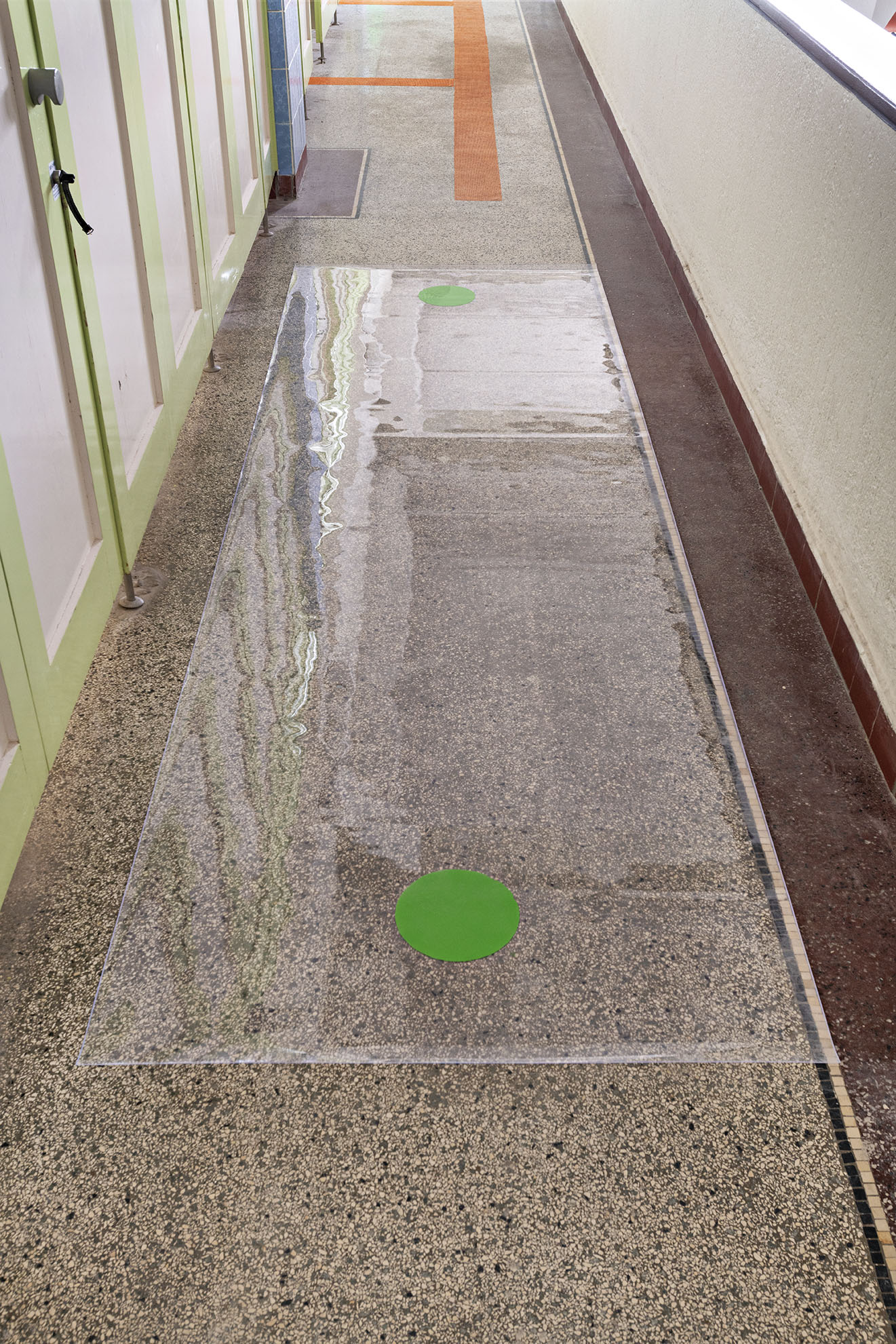
3. the builder
To build a stable structure that supports his proposal, the builder recognises the risks associated with his ambitions and plans from the top down before he builds. In this way, the foundations are in place to counteract problems at the various stages of its political composition. The green balls represent solutions and each black ring represents a problem that could arise from the solution above. To release the balls and build the pyramid, players must recognise two problems that could arise from the idea above and then the next ball below that problem represents the solution, and so on. For example, if the player's idea was to ban cars from city centres, two problems could arise: Congestion on public transport and the neglect of people who already have a car and are therefore dependent on cars for accessibility. The next three balls would then be used to tackle these problems and the process repeats itself.

Photo and copyright: Winfried Reinhardt
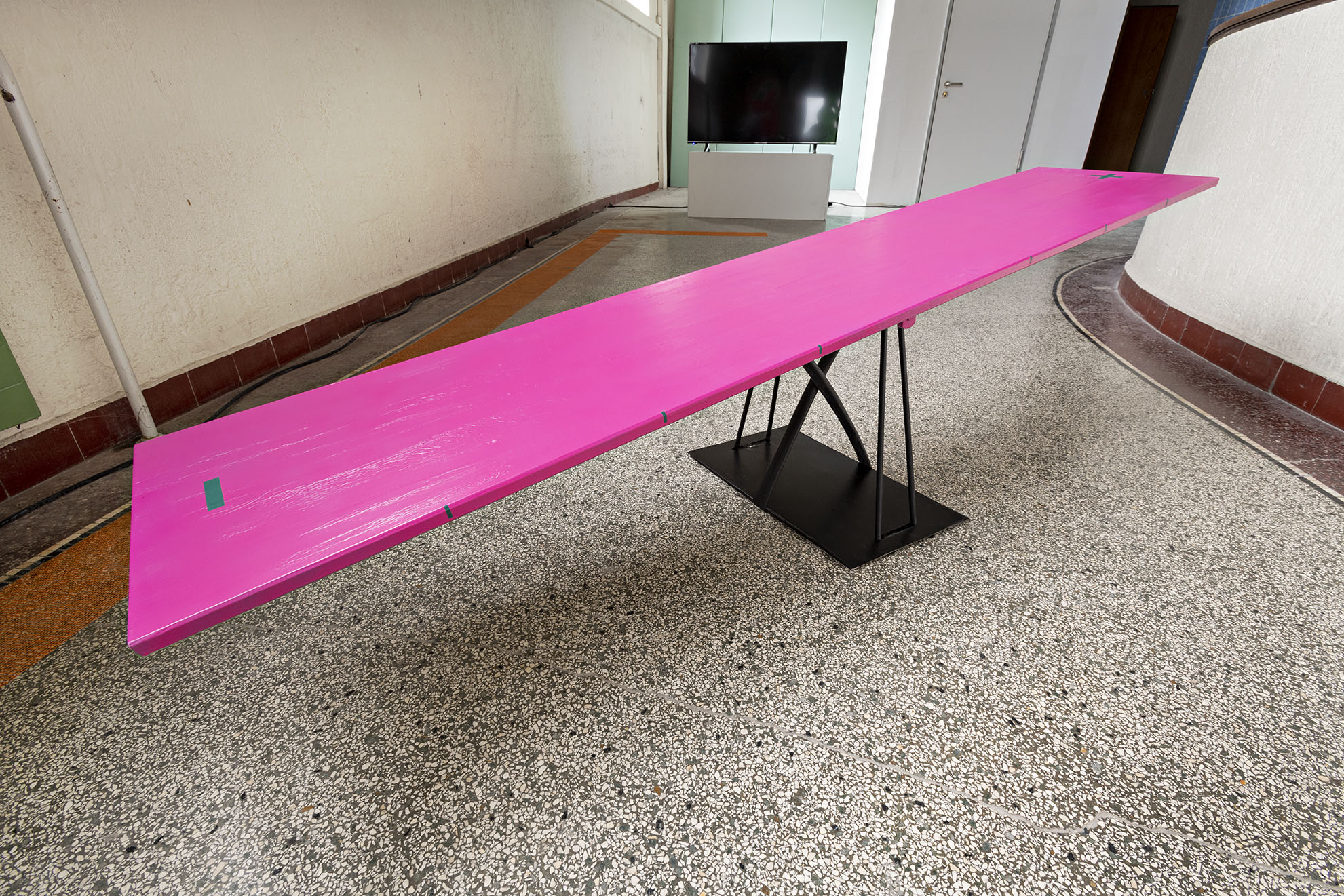
4. the balancer
Having a multitude of concerns and issues is like a balancing act. The balancer is able to weigh up the different aspects of an ideal scenario and achieve balance through compromise. The player may have realised that through this process they have touched on issues that they had not originally associated with their starting point. In this case, he should return to the first exercise and connect them now. The seesaw represents the Overton Window, a scale of change from no change in the centre, to radical change on either side. Players should try to balance their blocks in chronological order, with the first change they would make being at the bottom, considering the scale. This exercise forces players to think about a thorough strategy and weigh up the extent to which they would be prepared to make radical choices when another issue is at stake.