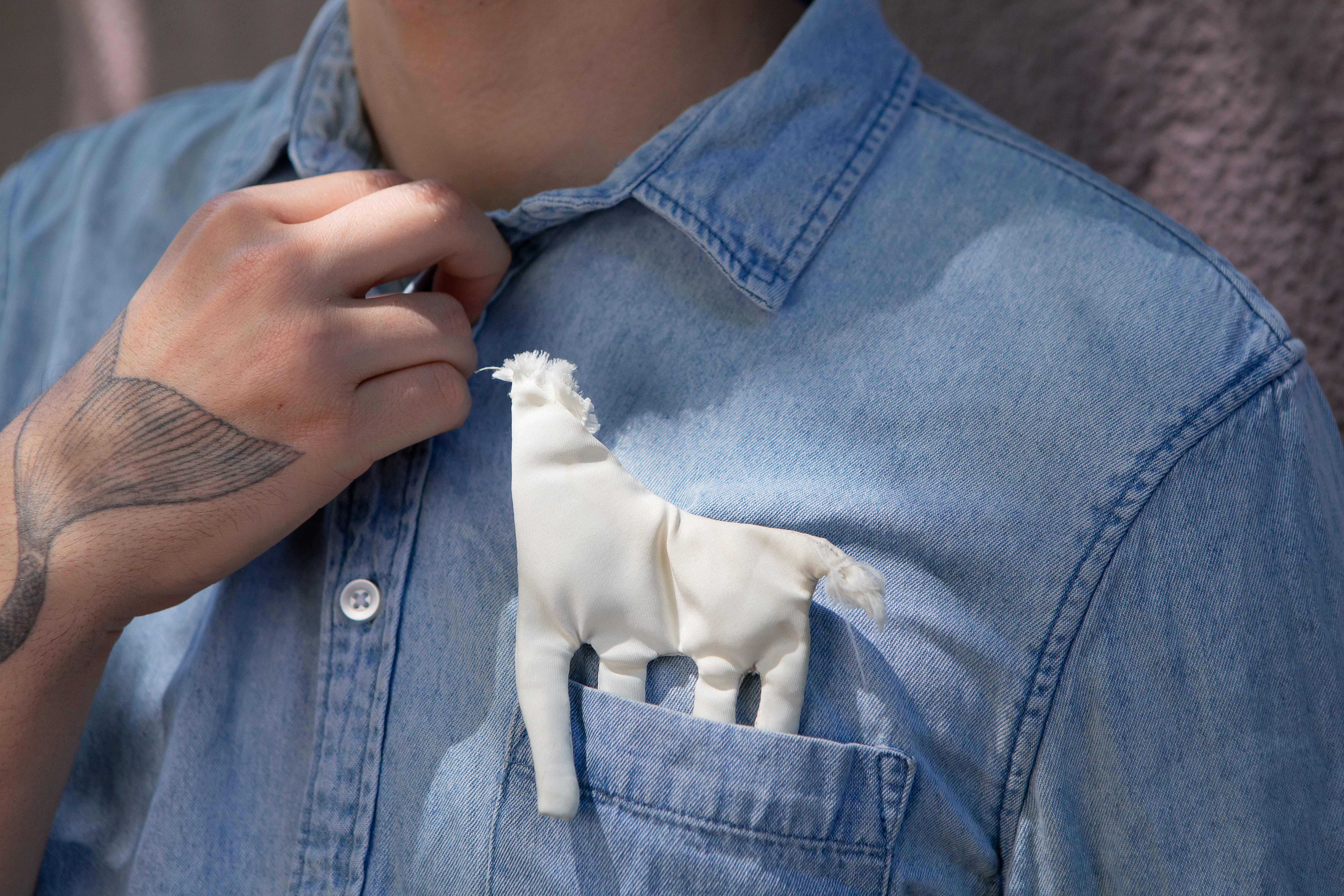

"My first experiences with jewellery were painful. A memory: growing up as a queer child in north-east Brazil, I told my parents at the age of 9 that I wanted to get my ears pierced. My father, torn between his internalised homophobia and his attempt to be understanding, went outside, looked for the sharpest object he could find - a rusty garden rake - and
told me that he would pierce me himself. As much as I can understand that his attitude stemmed mainly from inexperience with my uniqueness and the intention to protect me from the world, I realised that I was surrounded by a culture in which the feminine aura of jewellery turned against me, even though this very aura represented my deep need for expression. Of course, I stuck to my plan and only had my left ear pierced, mainly because in Brazil a piercing on the right side is the sign of homosexuality and I was not prepared to accept such a signal. Over the next few years, I had the same spot pierced six or seven times, as it grew back each time. I wonder how great my need to adorn myself was that led me to repeat this treatment on my own body so many times until I finally got what I wanted - openness.
There is something powerful and refreshing about combining a piece of jewellery with a human body. What appeals to me about the medium is precisely the range of narratives, stories and meanings this fusion can create: With a simple earring, my 9-year-old self sparked a debate about gender roles and sexuality. The human body itself is a recurring theme in my work. My own body is at the centre of my most intimate feelings. Feelings such as loneliness, vulnerability
and the inadequacy towards a normative society are my primary source of inspiration, and I also want to externalise these emotions in order to create empathy and understanding.
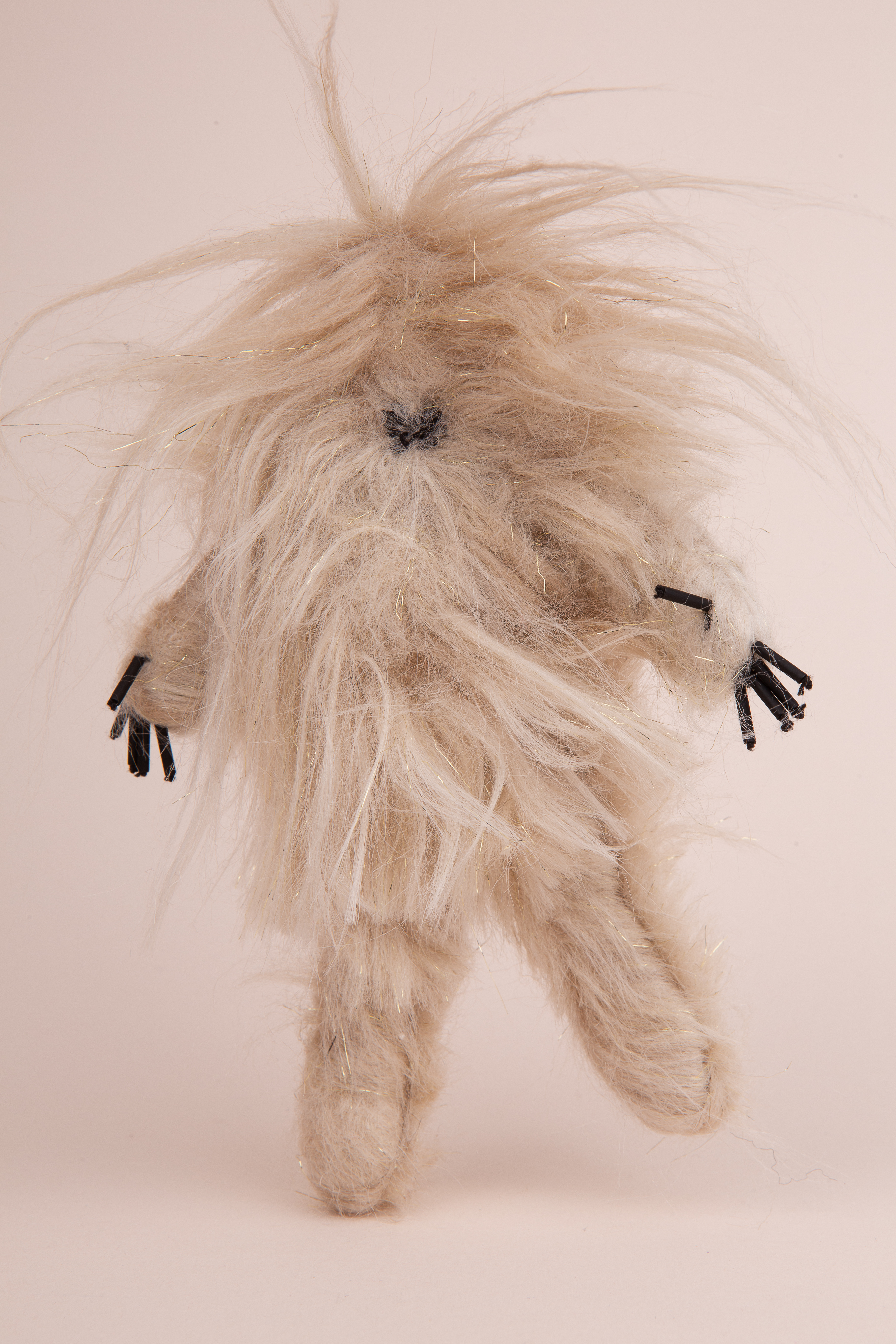
and intimacy. Most of my works are based on childhood traumas, so naturally elements from that time appear: Doll parts are combined with primitive forms, humorous elements and organic materials to address complex themes. My pieces are teeming with human-like forms that often question duality: Sex and naivety, male and female, cute and angry, and so on.
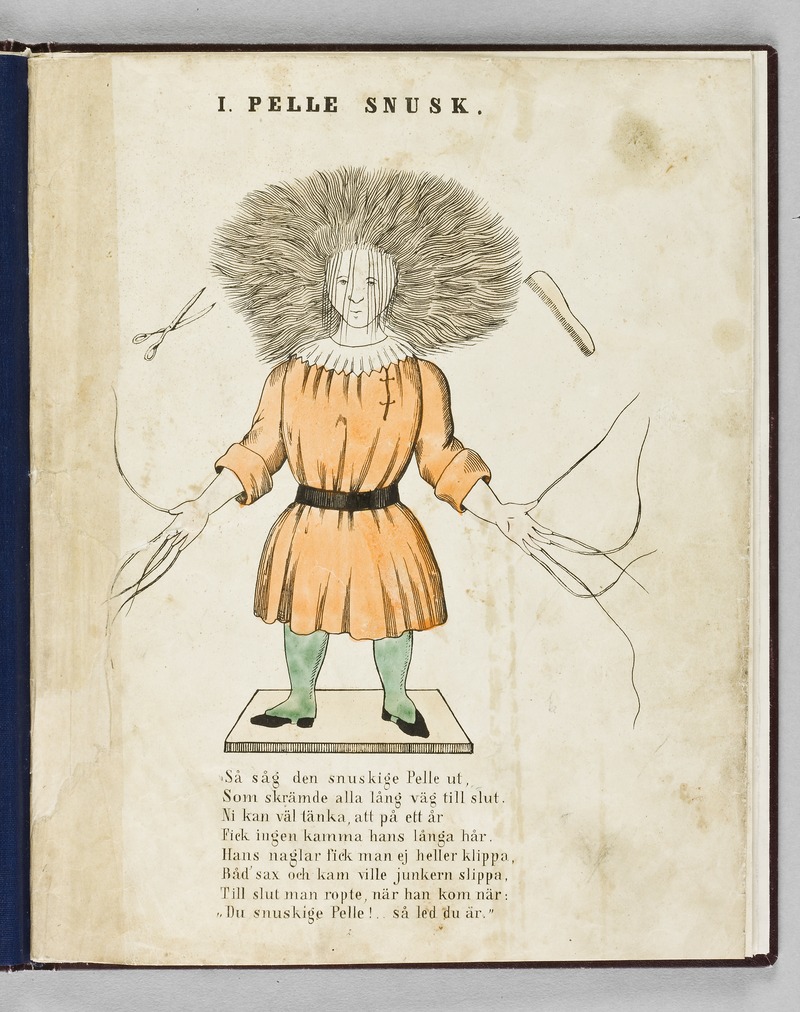
Another element from childhood that impacts my work is fairy tales, as cultural issues such as racism and sexism are often based on fairy tales. My aim is to open up a politicised view of these stories by showing how they impact on adult behaviour, but also to overcome and twist narratives that often exclude non-normative bodies or portray them in obscure ways. German folktales have proven to be a great contribution to my canon, as well as old toys whose mechanisms create clear narratives,
that fascinate me.
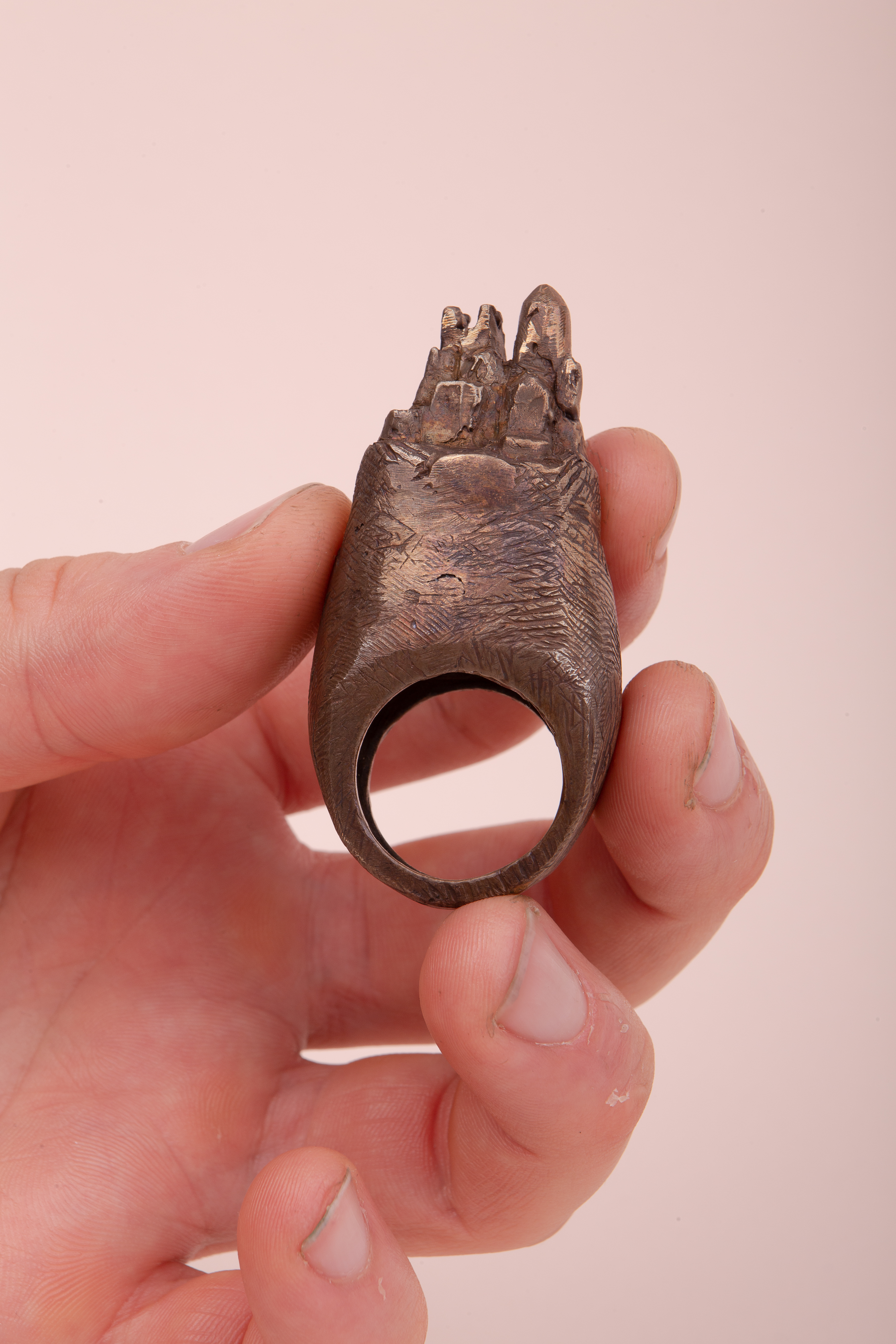
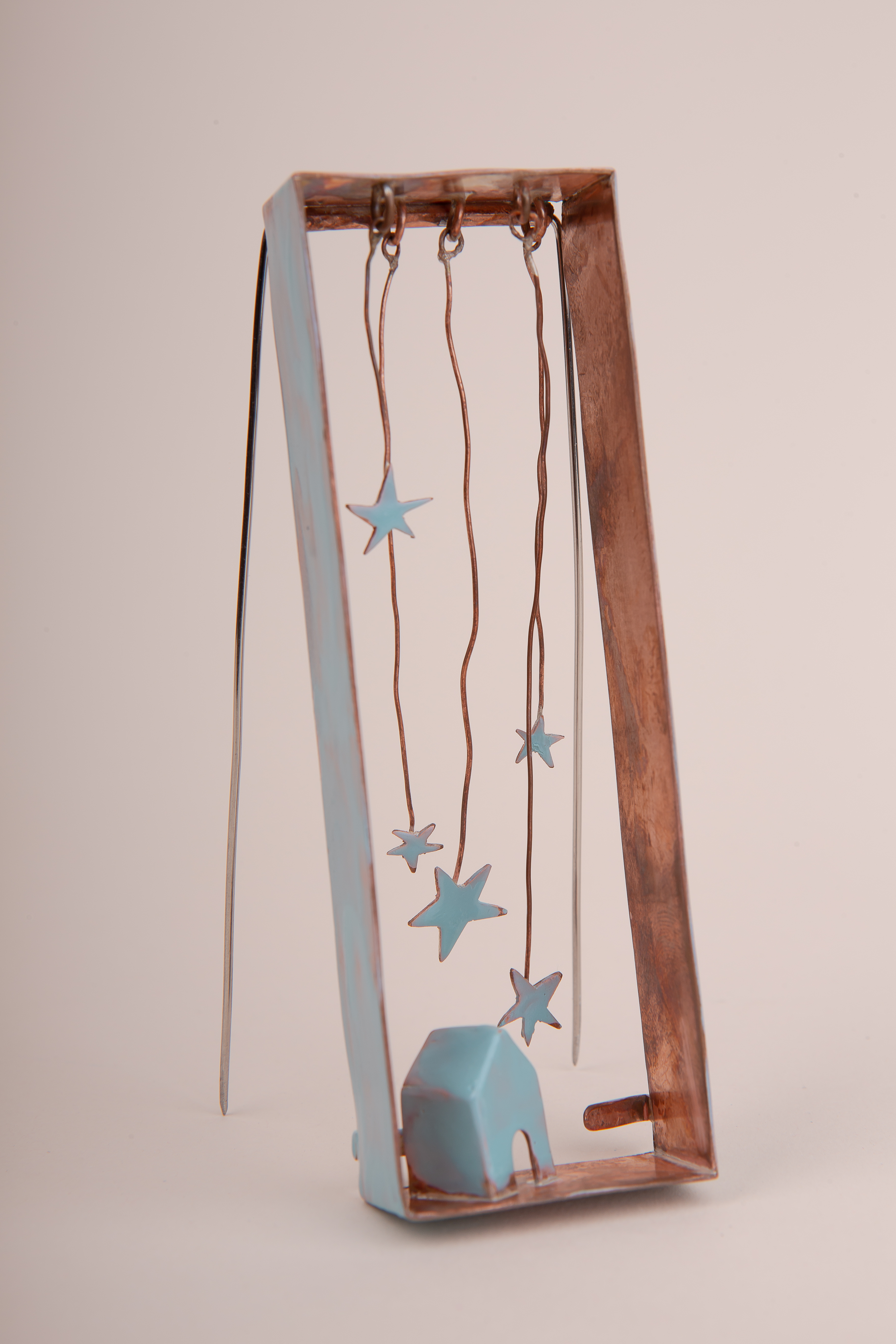
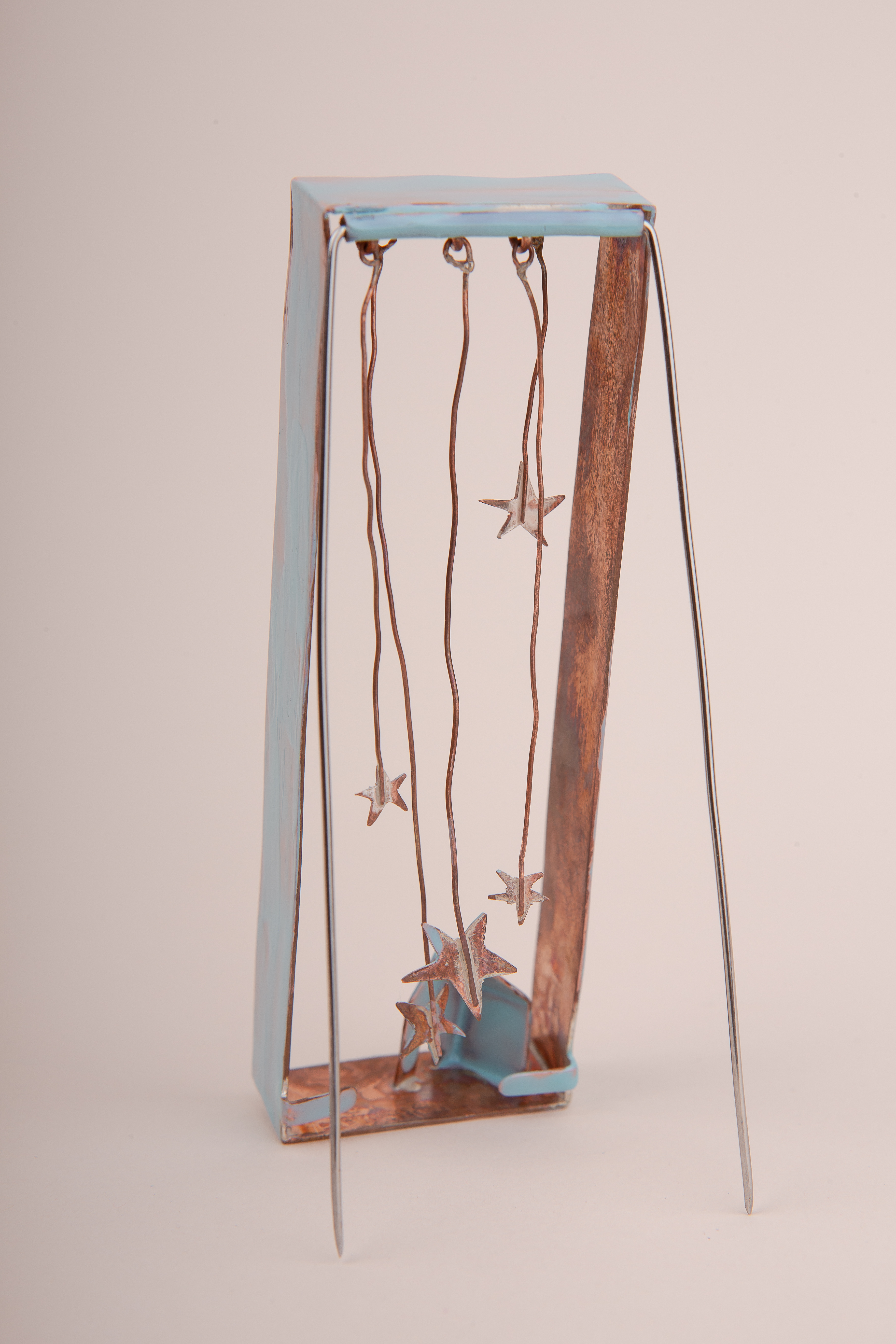
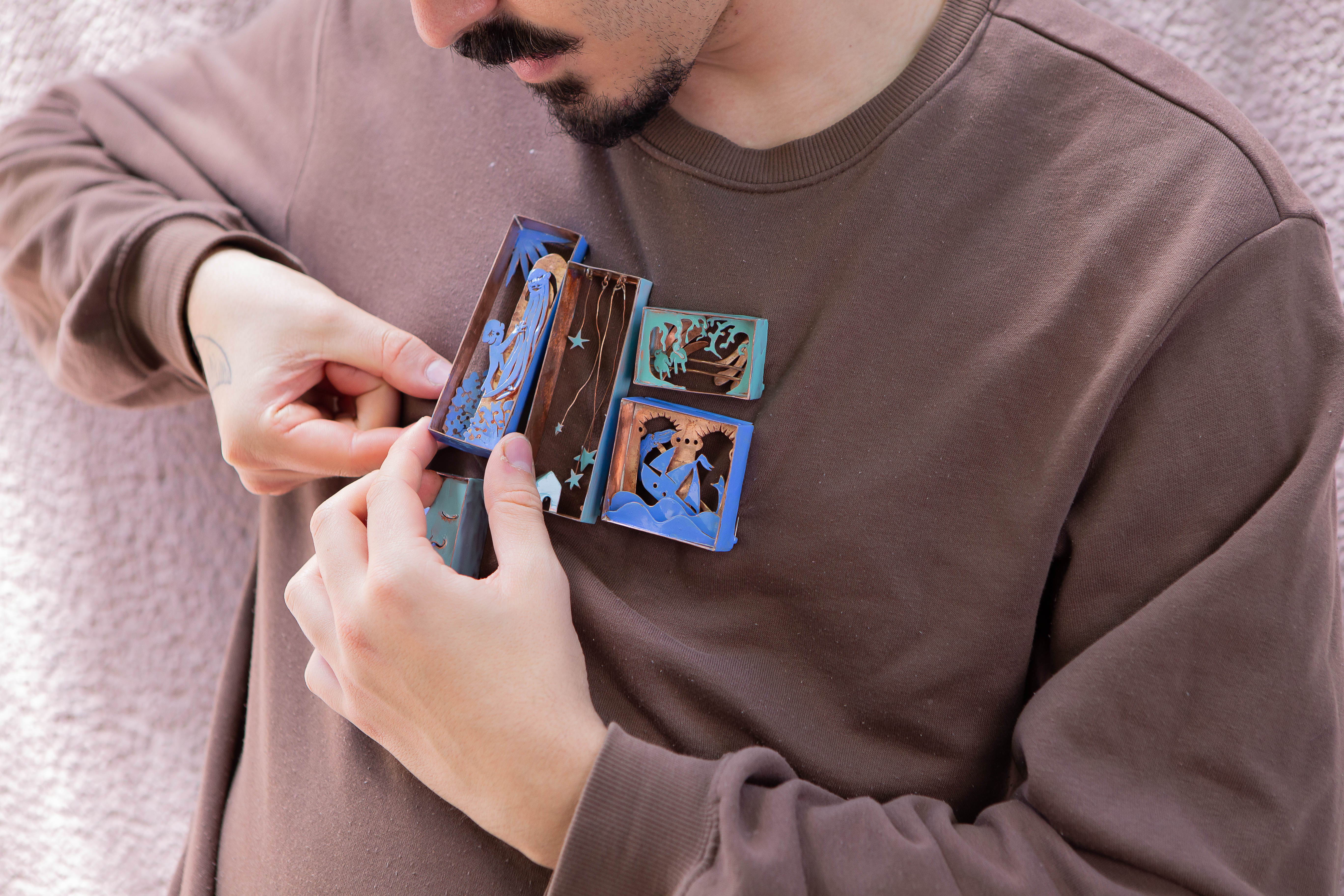
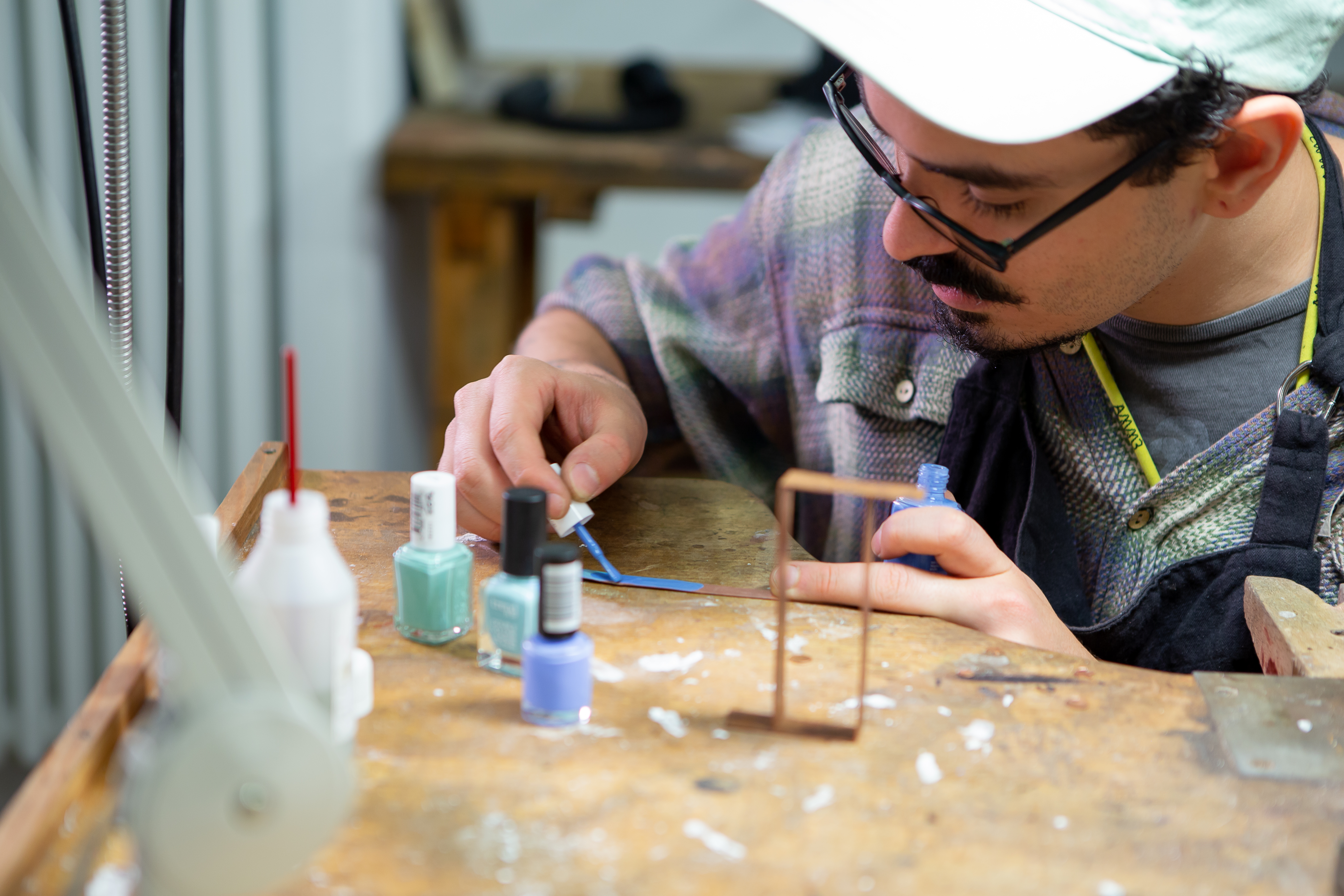
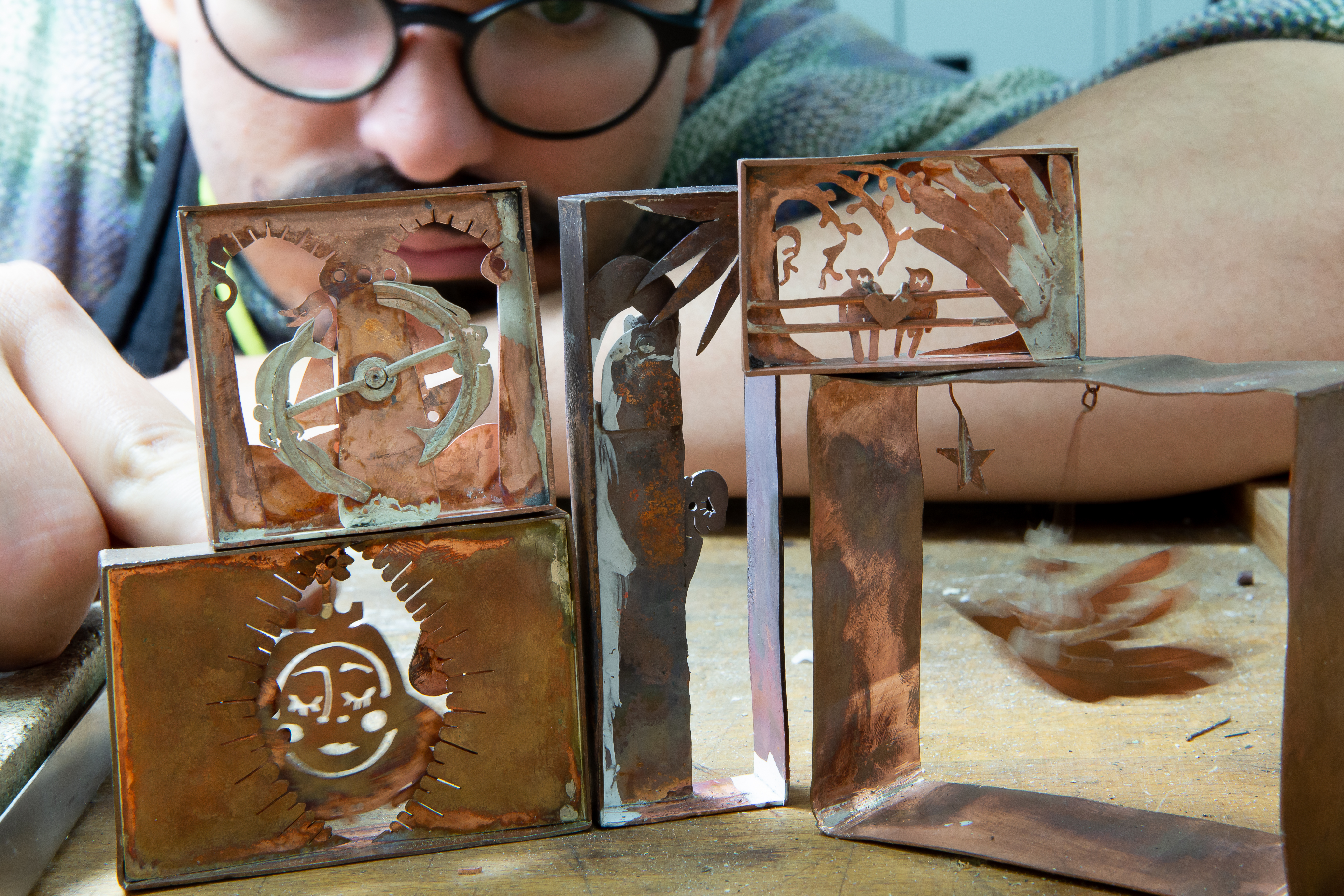
At EMMA - Kreativzentrum Pforzheim, I expanded the universe of my inner child to include the scenarios in which it plays out. Loneliness during the pandemic also played a role here - the archetype of the house and the desire to keep myself safe from the dangers out there are very present in this project. My aim for this exhibition is to materialise my inner world, as if I were building the safe walls of the dollhouse I was never allowed to have." Caio Mahin, June 2021